

Now into his third year as a VouchedFor Top Rated Adviser, we talk to financial planner Andrew Lee about his approach to building trusted reputation.
The numbers only make up part of Andrew Lee’s story as a financial planner. He has been advising clients for nearly 30 years, first within some of the UK’s largest banking institutions, and for over four years as part of the team at Walden Capital, independent wealth managers based in Saffron Walden, in the East of England.
The firm’s team-wide commitment to excellence in advice is reflected in recognition across the firm: Andrew, as well as his colleagues Mikki Gant and the firm’s Director John Stirling are all VouchedFor Top Rated Advisers. For Andrew, together with his team, this success isn’t just about delivering financial returns. It’s also testament to a quality harder to quantify: trust.
“Being recognised as a VouchedFor Top Rated Adviser is something I’m genuinely proud of, because it comes directly from client feedback,” says Andrew, who has been listed as a Top Rated Adviser for 2024, 2025 and 2026. “There’s no better endorsement than knowing the people you’ve helped have taken the time to share their experiences.”
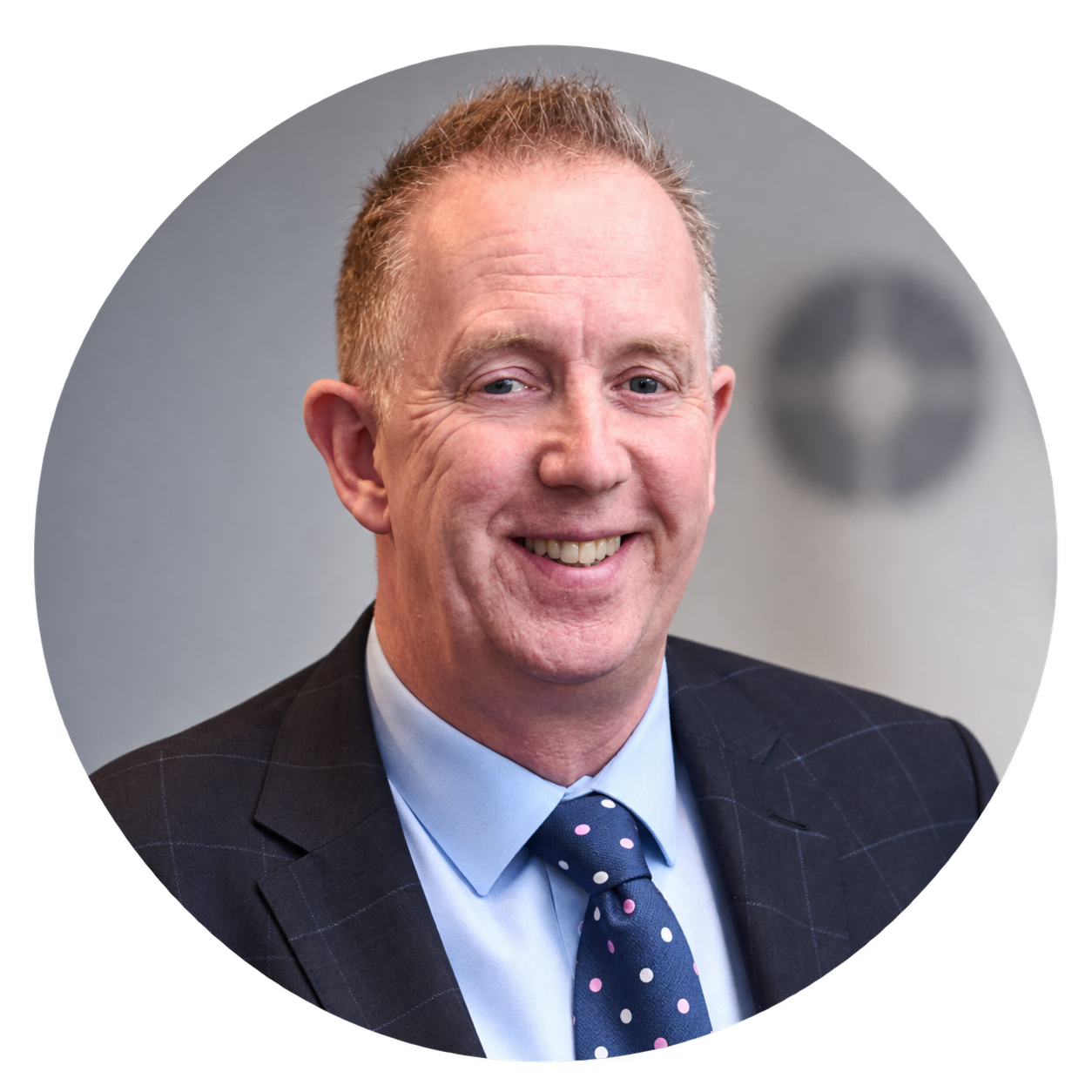
Financial planning, in Andrew’s view, is rarely just about investments and numbers. Clients are typically sharing hopes, fears and some of the biggest decisions of their lives. What they value most is the time he takes “to listen carefully, understand what truly matters to them, and provide advice that is tailored to their individual circumstances, rather than following a one-size-fits-all formula”.
It is an approach shaped by life experience as well as professional training. “Early in your career, it can be harder to fully appreciate a client’s position, before you have bought your own home, taken out a mortgage, had kids, or weathered your own financial ups and downs,” he says. This has given him a perspective he can draw on directly: as he puts it, he can “see it from both sides”.
Lessons from industry
Andrew’s career spans some of the UK’s largest financial institutions before his move into independent advice, experience that has shaped his view of what it means to be a great adviser. “The biggest lesson is that technical expertise may be essential but it’s not enough,” he says. “Great financial advice is about really listening to clients, building relationships and helping them make both good personal and financial decisions over time.”
He identifies a consistent thread in what clients value most: clarity, honesty and consistency. “Markets rise and fall, legislation changes, and circumstances evolve,” he says. “But if clients know you are acting in their best interests and communicating openly with them, trust remains strong.”
Andrew expands the point when he describes what good planning does. “Successful financial planning isn’t about predicting the future,” he says. “It’s about preparing for it. A great adviser helps clients build a financial strategy that can withstand uncertainty while keeping them focused on their long-term goals.”
Seeing the need behind the request
When asked what he does best, Andrew does not reach for a performance statistic. He describes a client who first came to him for investment advice.
On the surface, it was a conversation about portfolio performance. But he delved deeper to understand the client’s broader situation and the real objective emerged: how could they retire earlier and spend more time with their family?
Instead of focusing purely on investment returns, he built a comprehensive financial plan that considered the client’s assets, income requirements, pension arrangements and future lifestyle goals. And they discovered that retirement was achievable far sooner than the client had believed. “The most rewarding part wasn’t improving investment performance,” Andrew reflects. “It was helping someone gain the confidence to make an important life decision. That experience reinforced my belief that understanding the person behind the finances is often where the greatest value of advice is created.”
It is a lesson Andrew traces back to his early career, when a colleague (now a client) challenged his instinctive answer to a simple question about a client’s goals: what does the client want from their money? To make as much as possible would be the typical answer. But digging deeper, it’s about what that money is going to do for that client in future. It reframed how Andrew approached client conversations: the money’s an enabler; it’s not the goal.
Institutional thinking, personal outcomes
That same discipline underpins Walden Capital’s investment philosophy. The firm, Andrew explains, applies techniques more commonly associated with large institutional investors to private client portfolios. “Institutional investors generally take a highly disciplined approach to investment management,” he says. “They focus on diversification, risk management, long-term decision making and evidence-based investment strategies, rather than reacting to short-term market noise.”
At Walden Capital, that translates into globally diversified portfolios built around each client’s own objectives and appetite for risk, rather than chasing short-term trends. “The benefit for clients is a more robust investment experience,” he says. “By applying institutional thinking within a personalised planning framework, we aim to deliver outcomes that are both more resilient and more closely aligned to clients’ financial goals.”
A career built on relationships that endure
Andrew does not point to a single case or campaign that has made him most proud, but to relationships that have spanned decades. Some clients, he says, have trusted him through multiple life stages, from building wealth during their careers, through to retirement planning, and then helping the next generation manage inherited wealth. “Knowing that families continue to place their trust in my advice across generations is incredibly rewarding,” he says. “If I had to highlight one achievement, it would be maintaining that trust and seeing clients achieve goals they once thought were out of reach.”
Looking ahead
Andrew sees the financial-planning profession changing shape. Clients increasingly want holistic advice rather than siloed products. That means a single strategy that draws together investments, retirement, tax and estate planning and broader lifestyle goals. Technology is improving efficiency and access to information, he says, but he believes “the human element of advice will become even more valuable as financial decisions grow more complex”.
Much of that complexity, in his experience, is regulatory. Keeping pace with legislative change is, he says, one of the more demanding parts of the job, as it is not simply tracking what has changed but working through how it affects each client differently. He points to forthcoming changes to the tax treatment of pensions as one example. He sees the shift already prompting more clients to think about wider estate planning, and gifting from disposable income, in ways that were not necessary before. “It’s not just the legislation change,” he says. “It’s how that impacts individual clients. Everybody is going to be in a different position.”
As for what comes next, Andrew’s ambition is characteristically understated: to continue to help clients make better financial decisions, and to keep building Walden Capital’s reputation for high-quality, independent advice. It’s not so much about performance figures or market cycles, but about understanding people and what their money is really for.